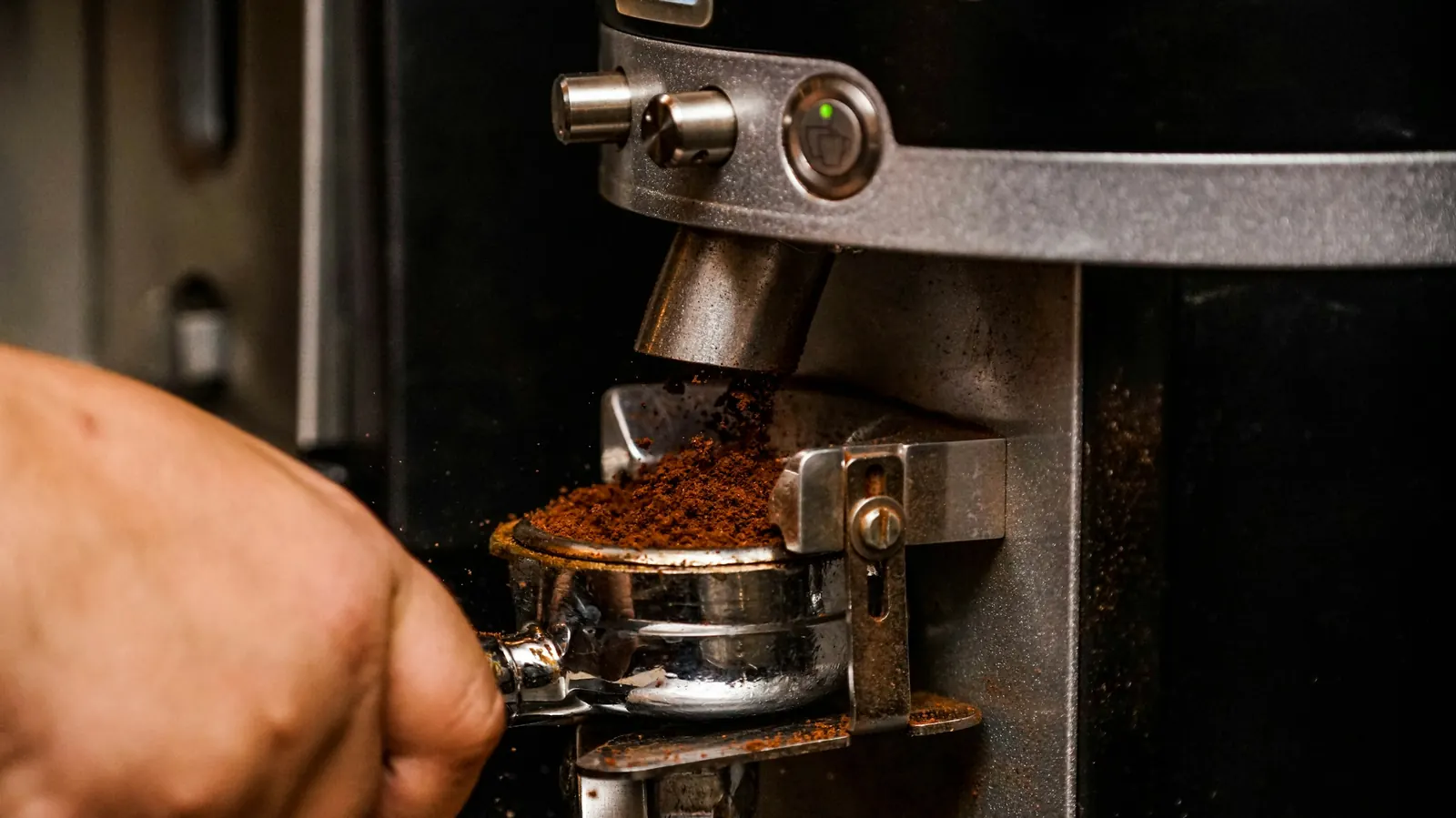
Espresso is the least forgiving way to make coffee. Hot water is pushed through a small puck of very fine grounds in under a minute, and a grind a few microns too coarse or too fine shows up straight away as a shot that gushes or one that barely drips. That is why the grinder matters more for espresso than for any other brew, and why a grinder that is fine for drip can struggle here. It matters whether you pull a straight shot, cut it with steamed milk for a café cortado, or pour it over ice with Licor 43 for a carajillo.
This guide covers seven grinders built for espresso: five electric and two hand-cranked, from Baratza, Eureka, DF64, SHARDOR, Turin, 1Zpresso and Timemore. For each we list the burrs, whether the adjustment is stepped or stepless, how it holds beans, any retention figure the maker publishes, and how it doses. Where a maker does not publish a figure, we say “Not stated” rather than guess. All-purpose burr grinders for drip and French press are covered in our separate guide to the best coffee grinder, and we have not repeated its picks here.
Julia’s earns a commission on purchases made through links on this page, at no cost to you. Recommendations are based on what a restaurant kitchen looks for, product specifications and verified buyer reports.
Quick verdict: which espresso grinder to buy
For most home espresso setups, the best coffee espresso grinder is the Baratza Encore ESP Pro: stepless adjustment on M2 steel conical burrs, a hopper for daily use plus a single-dose mode that stops on its own, a 0.1-second timer and built-in anti-static. If you only make espresso and want a classic Italian hopper grinder, the Eureka Mignon Notte has 50 mm flat burrs and a portafilter-activated switch. For single dosing, the DF64 Gen 2 pairs large flat burrs with a claimed retention under 0.1 gram, and for grinding by hand, the 1Zpresso J-Ultra moves just 8 microns per click.
The five standouts are compared below, one for each kind of espresso drinker, and all seven grinders are reviewed in full after the table.
Five espresso grinders side by side
Burrs, adjustment and dosing for our five standout picks, as each maker or Amazon listing states them.
| Grinder | Best for | Burrs & adjustment | Dosing (as stated) | Buy on Amazon |
|---|---|---|---|---|
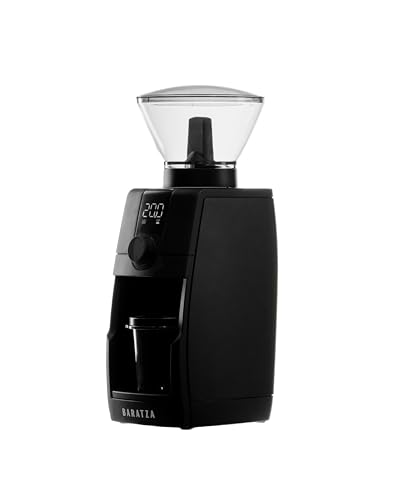
Baratza Encore ESP Pro Coffee GrinderBest overall
|
Espresso most days, filter on others | M2 steel conical; stepless | Single-dose auto-stop or 0.1 s timer | View on Amazon |

Eureka Mignon Notte Espresso GrinderBest espresso-only
|
Espresso from a full hopper | 50 mm steel flat; stepless | Manual, portafilter-activated switch | View on Amazon |

DF64 Gen 2 Single Dose Coffee GrinderBest single doser
|
Weighing each dose, switching beans | 64 mm flat; stepless | Single dose; retention under 0.1 g claimed | View on Amazon |

1Zpresso J-Ultra Manual Coffee GrinderBest hand grinder
|
Quiet, precise espresso by hand | 48 mm coated conical; 8 microns per click | Magnetic catch cup, 35 to 40 g | View on Amazon |
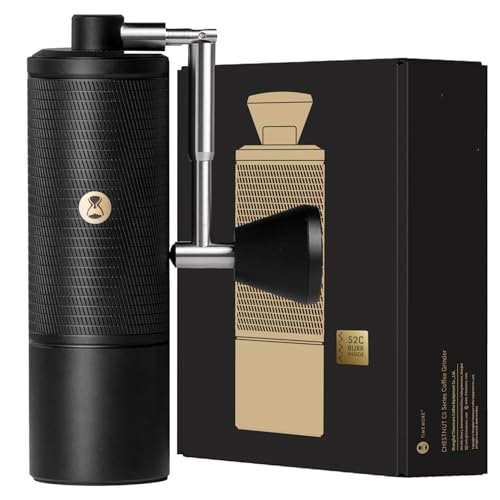
Timemore C5 ESP Pro Manual Coffee GrinderBudget pick
|
Starting espresso on a small budget | 42 mm steel conical; 0.015 mm per click | By hand; capacity not stated | View on Amazon |
Product images from Amazon. Burr, adjustment and retention figures are as each maker or listing states them; we have not measured them.
Our picks for the best coffee espresso grinder
Every grinder here is sold by its maker as able to grind for espresso, and every one adjusts in steps small enough to dial in a shot. They differ in burr type, in whether you fill a hopper or weigh each dose, and in how much they cost to run by hand or by motor. Each pick says who it suits and gives one honest reason to skip it.
1. Baratza Encore ESP Pro Coffee Grinder – Stepless Control, Two Dosing Modes
The Encore ESP Pro is Baratza’s step up from the Encore ESP, which already sits on our all-purpose grinder page. The big change is the adjustment: instead of fixed clicks, Baratza pairs its M2 precision steel burrs with a high-resolution stepless mechanism, so you can land anywhere between espresso fine and cold brew coarse. Retailers list the burrs as 40 mm conical.
It also grinds hands-free in two ways, according to the listing. Single Dose Mode grinds whatever beans you load and stops on its own when they are gone; Timer Mode runs for a set time to a tenth of a second, which suits a household that fills the hopper and pulls the same double shot every morning. A removable flow control disk meters the beans into the burrs, and an active anti-static system, Baratza’s first, is meant to cut down on clumps and mess in the grounds bin.
The burr comes out without tools for cleaning and repair, and a single rotary knob runs the display, with LEDs lighting the grounds bin. Baratza does not give a retention figure or a warranty term in the listing.
Why we like it
- Stepless adjustment on M2 steel burrs
- Single-dose mode with automatic stop
- Timer mode in 0.1-second steps
- Built-in active anti-static
- Tool-free burr removal
Key specifications
| Grinder | Baratza Encore ESP Pro (ZCG595) |
|---|---|
| Burrs | M2 steel conical; 40 mm per retailer listings |
| Step/stepless | Stepless |
| Single-dose/hopper | Both: bean hopper plus Single Dose Mode |
| Retention (as stated) | Not stated as a figure |
| Grind-by-time/weight | Timer to 0.1 s; auto-stop in Single Dose Mode; no scale |
| Static control | Active anti-static technology |
| Electric/manual | Electric |
Why we recommend it
It suits a kitchen that makes espresso most days but still wants a pour-over or French press at the weekend. Stepless adjustment lets you fine-tune a shot, and the two modes mean you can single dose a special bag or run the house beans from the hopper.
Skip it if you want flat burrs or a grinder that weighs the dose for you. This is a conical grinder with a timer, not a scale.
Pros and cons
Pros
- Fine control at the espresso end
- Hopper and single dosing in one
- Repeatable timed doses
- Easy burr access
Cons
- Newer model, few long-term reports
- No retention figure published
- Warranty term not in the listing
2. Eureka Mignon Notte Espresso Grinder – Italian Flat Burrs for Espresso Only
The Mignon Notte is the entry model in Eureka’s Mignon line, and it is built around one drink. Eureka calls its 50 mm steel burrs espresso-focused, and the stepless knob moves freely so you can set the grind in very small increments. The adjustment raises and lowers the bottom burr carrier, which Eureka says is unique to its grinders and lets you take the burrs out for cleaning without losing your setting.
Dosing is manual. Push your portafilter into the fork and it presses the grind switch; pull it away and grinding stops. There is no timer, so you learn your dose by feel or check it on a scale. The round hopper holds 150 grams of beans, enough for several shots through the day, and Eureka’s ACE anti-clump system is meant to spread the grounds evenly and reduce static.
The case is metal with a matte finish. Eureka does not publish a retention figure for the Notte, and like most hopper grinders it is designed to be kept filled rather than emptied between coffees.
Why we like it
- 50 mm steel flat burrs for espresso
- Stepless, near-infinite adjustment
- Burrs come out without losing the setting
- 150 g hopper and metal case
Key specifications
| Grinder | Eureka Mignon Notte |
|---|---|
| Burrs | 50 mm steel flat |
| Step/stepless | Stepless |
| Single-dose/hopper | Hopper, 150 g (5.5 oz) |
| Retention (as stated) | Not stated |
| Grind-by-time/weight | Neither; manual, portafilter-activated switch |
| Static control | ACE anti-clump system |
| Electric/manual | Electric |
Why we recommend it
Choose it if you drink espresso and milk drinks only, keep one coffee in the hopper, and want a simple, sturdy grinder with flat burrs and fine stepless control.
Skip it if you also brew drip or pour-over. Eureka builds the Notte for espresso, and moving far up and down the dial is not what it is designed for.
Pros and cons
Pros
- Flat burrs aimed at espresso
- Fine stepless dial
- Cleaning keeps your setting
- Metal body
Cons
- No timer
- Espresso only
- No retention figure
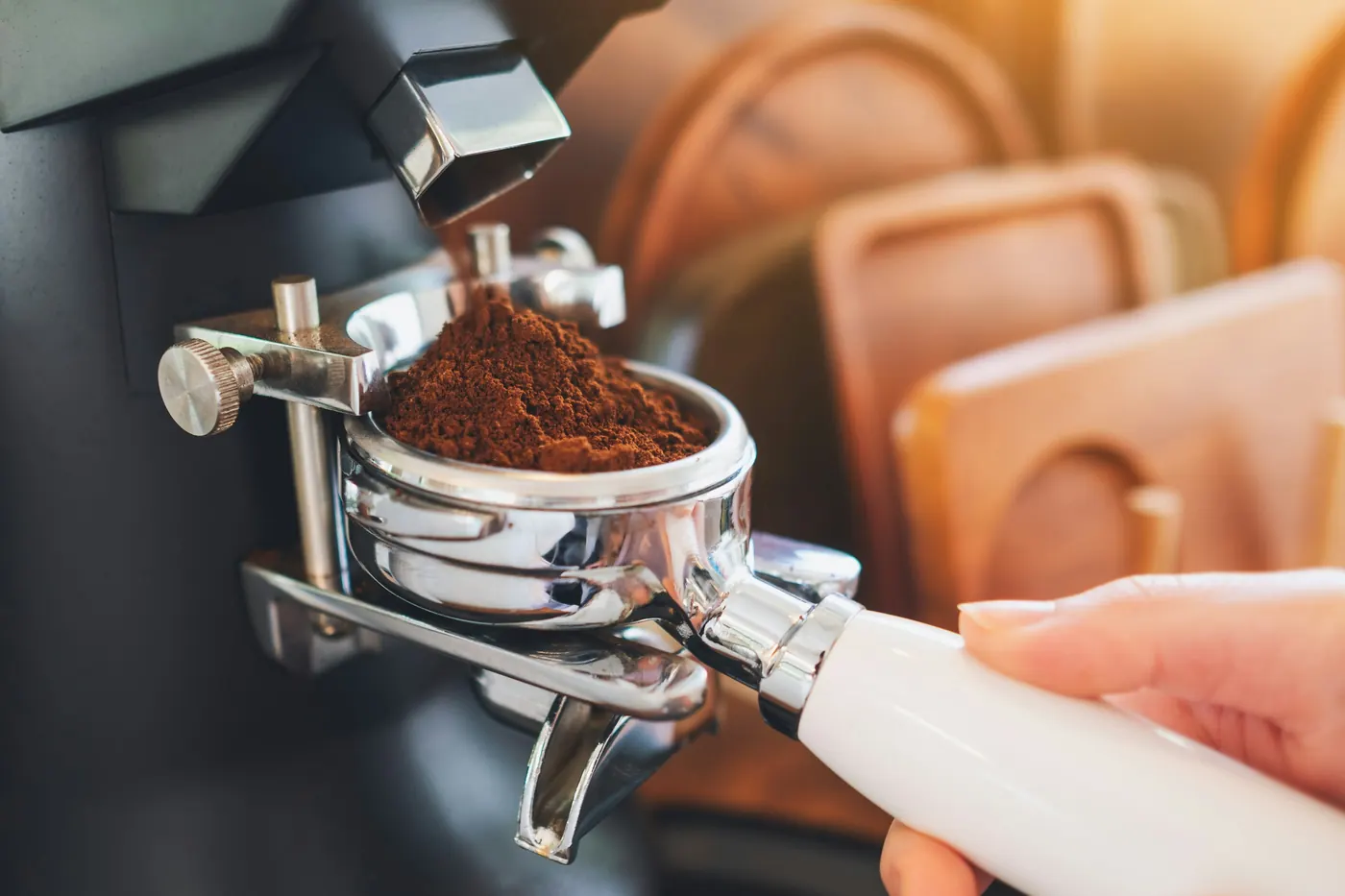
3. DF64 Gen 2 Single Dose Coffee Grinder – Big Flat Burrs, Almost Nothing Left Behind
The DF64 is a single-dose grinder built around large flat burrs, and the Gen 2 is the version sold by DF64 Coffee as the official seller on Amazon. Retailers list its burrs as 64 mm stainless steel flat burrs, a size usually found on bigger café grinders. Adjustment is stepless, set with a redesigned chrome dial and metal indicator.
Single dosing means you weigh the beans for each shot, pour them in and grind them all. The listing claims “true zero retention” of under 0.1 gram, even without the rubber bellows, and a plasma generator in the exit chute is there to eliminate static. An anti-popcorn disc keeps beans from bouncing around on top of the burrs, which the listing says speeds up grinding.
The hopper takes 20 grams without the bellows and 50 grams with it, so this is not a grinder you fill for the week. A 58 mm transparent dosing cup is included, and the grinder opens for cleaning in a few steps without tools. The body is aluminum with a powder-coated finish.
Why we like it
- 64 mm flat burrs (retailer listings)
- Retention claimed under 0.1 g
- Plasma ionizer against static
- 58 mm dosing cup included
- Tool-free opening for cleaning
Key specifications
| Grinder | DF64 Gen 2 |
|---|---|
| Burrs | 64 mm stainless flat (retailer listings) |
| Step/stepless | Stepless |
| Single-dose/hopper | Single dose; 20 g, or 50 g with bellows |
| Retention (as stated) | Under 0.1 g |
| Grind-by-time/weight | Neither stated; grinds the loaded dose |
| Static control | Plasma generator in the chute |
| Electric/manual | Electric |
Why we recommend it
It suits someone who weighs every dose, likes switching between coffees and wants big flat burrs without paying for a premium Italian or commercial grinder. Low retention matters most when each shot is a different bean.
Skip it if you want to fill a hopper and press a button each morning. Every dose has to be weighed and loaded by hand.
Pros and cons
Pros
- Large flat burrs
- Very low claimed retention
- Static control built in
- Easy to open and clean
Cons
- Small hopper by design
- No timer or scale
- Burr size not in the Amazon listing
4. SHARDOR Conical Burr Espresso Grinder – Timed Doses for Less

SHARDOR’s espresso grinder is the budget way to get a timer and a portafilter cradle. It uses 40 mm stainless steel conical burrs, which SHARDOR says are designed to keep grinding heat down, and 51 settings that run from espresso fine to French press coarse.
Dosing is by time or by cup count. The electronic timer runs up to 60 seconds in 0.1-second increments, so a double shot comes out the same each morning without weighing, or you can pick from 1 to 12 cups for filter coffee. A cradle holds the portafilter under the chute, and the listing says anti-static technology keeps the grounds chamber clean, with a cleaner included for the leftover grounds.
The listing does not give a hopper capacity, a retention figure or a warranty term, and the settings are fixed steps rather than stepless.
Why we like it
- Timer in 0.1-second steps, up to 60 seconds
- Grinds straight into a portafilter
- 51 settings, espresso to French press
- Anti-static grounds chamber
Key specifications
| Grinder | SHARDOR conical burr espresso grinder (CG018B) |
|---|---|
| Burrs | 40 mm stainless steel conical |
| Step/stepless | 51 steps |
| Single-dose/hopper | Hopper; capacity not stated |
| Retention (as stated) | Not stated |
| Grind-by-time/weight | Timer to 0.1 s (up to 60 s); 1 to 12 cups |
| Static control | Anti-static (listing) |
| Electric/manual | Electric |
Why we recommend it
Choose it if you want a timer and grinding straight into a portafilter at a lower cost than the Encore ESP Pro, and you are happy to pick the nearest of 51 steps.
Skip it if you like very fine tuning or want full specifications. Fixed steps can leave a shot running a little fast on one setting and a little slow on the next, and the listing leaves out hopper size and retention.
Pros and cons
Pros
- Repeatable timed doses
- Portafilter cradle
- Cup-count setting for filter coffee
- Anti-static design
Cons
- No steps between settings
- No retention figure
- Warranty not stated on the listing
5. Turin SK40 Single Dose Coffee Grinder – Small Footprint, Stepless Dial

The Turin SK40 is a small single-dose grinder for a short stretch of counter. It uses 40 mm stainless steel conical burrs that Turin says grind for espresso, pour-over and French press, and a stepless adjustment for making small changes when dialing in a shot.
The body is tilted, and with the rubber bellows on top you can push air through the chamber to clear grounds; Turin calls it a low-retention design but does not give a figure. You weigh the beans for each brew, which makes it easy to switch coffees between doses without emptying a full hopper.
The box includes a wood lid, a metal hopper, the bellows and a stainless steel dosing cup. CoffeeGeek, which covered the SK40’s launch, notes that it uses a worm-drive stepless adjustment where its sister model, the SD40, uses stepped settings.
Why we like it
- 40 mm stainless conical burrs
- Stepless adjustment
- Tilted body and bellows to clear grounds
- Stainless dosing cup included
Key specifications
| Grinder | Turin SK40 |
|---|---|
| Burrs | 40 mm stainless steel conical |
| Step/stepless | Stepless |
| Single-dose/hopper | Single dose, metal hopper with bellows |
| Retention (as stated) | “Low-retention design”; no figure |
| Grind-by-time/weight | Not stated |
| Static control | Not stated |
| Electric/manual | Electric |
Why we recommend it
It suits a small kitchen and a first espresso setup where you want stepless control and single dosing in a compact electric grinder.
Skip it if you want the larger flat burrs of the DF64 or a timer. The SK40 is a simple grinder, and the listing gives few specifications beyond the burrs.
Pros and cons
Pros
- Compact
- Stepless control
- Easy to switch coffees
Cons
- Few published specifications
- No timer
- No retention figure
6. 1Zpresso J-Ultra Manual Coffee Grinder – 8-Micron Clicks for Espresso
The J-Ultra is 1Zpresso’s hand grinder for espresso, a sister to the K-Ultra on our all-purpose grinder page. It uses 48 mm burrs with a coating that 1Zpresso says makes espresso sweeter and grinding faster, and its external adjustment ring moves just 8 microns per click, fine enough to reach Turkish coffee.
Ground coffee drops into a magnetic catch cup that holds 35 to 40 grams. The handle folds away so the grinder does not tip over, and it comes in a travel case with a cleaning brush and an air blower. It comes apart without tools for cleaning. 1Zpresso says each burr is calibrated at the factory and built to grind 100 to 200 kilograms over its lifetime, and it gives a one-year limited warranty. The grinder weighs 670 grams.
Grinding a double shot by hand takes some effort with any grinder this fine. In exchange you get no noise, no plug and a grinder that fits in a bag.
Why we like it
- 48 mm coated burrs made for espresso
- 8 microns per click
- Magnetic 35 to 40 g catch cup
- Travel case, brush and blower included
Key specifications
| Grinder | 1Zpresso J-Ultra |
|---|---|
| Burrs | 48 mm coated conical |
| Step/stepless | Stepped, 8 microns per click |
| Single-dose/hopper | Single dose, 35 to 40 g |
| Retention (as stated) | Not stated |
| Grind-by-time/weight | Neither; by hand |
| Static control | Not stated |
| Electric/manual | Manual, 670 g |
Why we recommend it
Choose it if you make one or two espresso drinks a day, want fine control without the noise or counter space of a motor, or travel with your coffee.
Skip it if several people want espresso every morning. Hand-grinding shot after shot gets tiring quickly.
Pros and cons
Pros
- Very small adjustment steps
- Quiet and portable
- Tool-free cleaning
- Rated lifetime grinding stated
Cons
- Hand effort for every shot
- Built for fine grinds, not French press
- One-year warranty
7. Timemore C5 ESP Pro Manual Coffee Grinder – Espresso Burrs on a Budget
The C5 ESP Pro is Timemore’s espresso version of its Chestnut C5 hand grinder. It uses Timemore’s patented S2C-042-III stainless steel conical burrs, 42 mm across, and adjusts in steps of 0.015 mm per click, with about 50 levels from fine to coarse. You turn the adjustment nut clockwise for finer and counterclockwise for coarser.
The body is a single piece of all-metal construction, 53 mm across so it is easy to grip, and the central shaft runs on two bearings to keep the burr steady. Timemore says the handle keeps turning a moment after you let go, and that the burrs grind with little force. The handle folds for travel, and the grinder comes apart to be brushed clean.
The listing does not give the bean capacity or a warranty term. It is the simplest grinder on this page: no motor, no settings screen, just fine steps for espresso.
Why we like it
- 42 mm stainless conical burrs
- 0.015 mm per click, about 50 levels
- All-metal body, double bearings
- Folding handle
Key specifications
| Grinder | Timemore C5 ESP Pro |
|---|---|
| Burrs | 42 mm S2C-042-III stainless conical |
| Step/stepless | Stepped, 0.015 mm per click |
| Single-dose/hopper | Single dose; capacity not stated |
| Retention (as stated) | Not stated |
| Grind-by-time/weight | Neither; by hand |
| Static control | Not stated |
| Electric/manual | Manual |
Why we recommend it
It suits someone trying espresso for the first time, or someone with a home espresso machine who cannot fit or afford an electric grinder yet.
Skip it if you want the finest steps in a hand grinder. The J-Ultra moves about half as far per click.
Pros and cons
Pros
- Simple, no motor
- Solid metal build
- Portable
Cons
- Capacity not stated
- Warranty not stated
- Hand effort for every shot
How to choose a grinder for espresso
An espresso grinder has one job that a drip grinder does not: making very small, repeatable changes at the fine end. These are the things that decide which one suits you.
1. Fine adjustment comes first
A shot that runs too fast needs a slightly finer grind; one that runs too slow needs a slightly coarser one. Stepless grinders (Encore ESP Pro, Notte, DF64, SK40) let you stop anywhere. Stepped grinders work if the steps are small, which is why the J-Ultra’s 8 microns and the C5 ESP Pro’s 0.015 mm per click matter. Fixed steps, as on the SHARDOR, are usable but coarser.
2. Flat or conical burrs
Both make good espresso. Flat burrs (Eureka’s Notte and the DF64) are common on café grinders; conical burrs (Baratza, SHARDOR, Turin and both hand grinders) are common at home and tend to fit smaller bodies. We have not compared the taste of shots from each, so we would choose on workflow, adjustment and budget rather than burr shape alone.
3. Hopper or single dose
A hopper grinder suits a household that drinks one coffee and wants to press a button. A single-dose grinder suits someone who weighs each shot and changes beans often. The Encore ESP Pro does both. If you single dose, a small kitchen scale is the most accurate way to measure the beans.
4. Retention and static
Retention is the coffee left inside the grinder after a dose, which ends up in your next shot. Only the DF64 publishes a figure here (under 0.1 g). Static makes grounds cling and scatter; the Encore ESP Pro, Notte and DF64 each list a feature meant to reduce it.
5. Dosing by time, by weight or by hand
A timer (Encore ESP Pro, SHARDOR) repeats a dose from a hopper. A manual switch (Notte) leaves the dose to you. None of the grinders here weighs as it grinds; Baratza’s grind-by-weight Sette 270Wi was not available on Amazon when we checked.
6. Noise, counter space and cleaning
The SK40 and hand grinders take up the least room, and the Encore ESP Pro, DF64 and J-Ultra all open without tools for cleaning.
How we chose these seven espresso grinders
We started with what an espresso grinder has to do: grind fine and evenly, adjust in small steps, and dose the same way every time. We took specifications from each Amazon listing and from the makers where they publish them (1Zpresso’s own J-Ultra page, for example), and used retailer spec sheets only to fill gaps, which we flag in the tables. Every pick was in stock on Amazon when we checked. We searched the U.S. Consumer Product Safety Commission’s recall list for Baratza, Eureka, DF64, MiiCoffee, Mahlkönig, SHARDOR, Turin, 1Zpresso and Timemore and found no recalls for these brands, and no coffee grinder recall since a Starbucks-branded model in 2009.
We left out grinders already picked on our all-purpose grinder page (the Baratza Encore ESP, Breville Smart Grinder Pro, Fellow Opus 2 and 1Zpresso K-Ultra all reach espresso and are reviewed there), models that were out of stock or scarce (Baratza Sette 30 and 270, Eureka Mignon Zero and Libra, the Eureka Mignon Specialita, which was back-ordered in white and red and low in stock in chrome, Mahlkönig’s X54, Timemore Sculptor 078S), the Timemore Sculptor 078, which Timemore lists as suitable only for pour-over, and grinders from sellers with no identifiable maker. We have not pulled shots with these grinders for this guide; where we describe how one performs, it is the maker’s claim or a named source’s.
Espresso drinks worth the grinder: cortado and carajillo
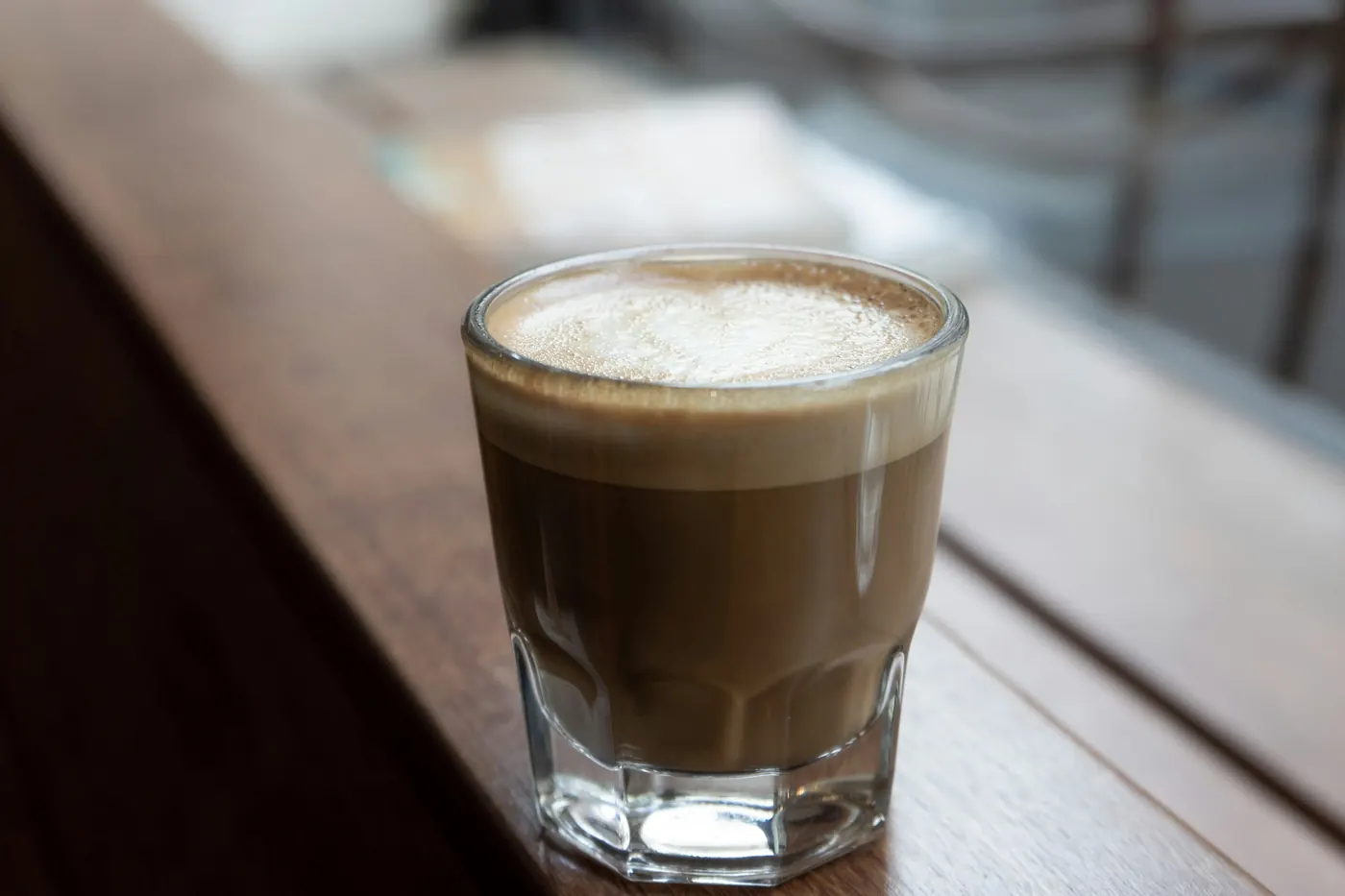
A café cortado is espresso “cut” with a little steamed milk, roughly equal parts, so the coffee still leads. A good grinder matters here because there is little milk to hide a sour or bitter shot. A milk frother covers the milk side if your machine has no steam wand.
A carajillo is a Spanish coffee drink that Mexico has made its own: a shot of espresso with Licor 43, a vanilla and citrus liqueur, often shaken or stirred over ice. It is a drink for adults, best as a sipped after-dinner coffee rather than a strong one late at night. If you want to see what else is on the bar, our drinks menu lists what we pour.
Espresso grinder questions, answered
What is the best grinder for coffee and espresso?
If you want one grinder for both, the Baratza Encore ESP Pro: stepless adjustment from espresso fine to cold brew coarse, with timer and single-dose modes. For a dedicated espresso grinder, choose the Eureka Mignon Notte or the DF64 Gen 2.
Do I need a special grinder for espresso?
You need one that grinds fine enough and adjusts in small steps at the fine end. Many drip grinders reach a fine setting but jump too far between steps to dial in a shot. Every grinder on this page is sold by its maker as able to grind for espresso.
Which is better for espresso, a hand grinder or an electric one?
A good hand grinder such as the 1Zpresso J-Ultra adjusts in very fine steps and costs less, but every shot takes effort. An electric grinder is faster and better for a household that makes several drinks each morning.
What does single dose mean?
You weigh the beans for one shot, grind them all, and leave nothing in a hopper. It keeps beans fresh in a sealed container and makes it easy to change coffees. The DF64 and SK40 are built for it, and so are the two hand grinders.
Are flat burrs better than conical burrs for espresso?
Not automatically. Both are used in good espresso grinders. Choose on adjustment, dosing and budget first.
Our final pick for home espresso
More coffee gear we’ve covered: travel mugs, coffee makers, single-serve coffee makers, French presses, pour-over drippers, cold brew makers, coffee mugs.
Short on counter space? See our guide to the best small espresso grinders.
Want a burr grinder that can really dial in espresso? See our guide to the best burr grinders for espresso.
Shopping on a budget? See our guide to the best value espresso grinders.
Buy the Baratza Encore ESP Pro if you want one grinder that dials in espresso and still handles filter coffee. Choose the Eureka Mignon Notte for espresso only from a full hopper, the DF64 Gen 2 for single dosing, and the 1Zpresso J-Ultra or Timemore C5 ESP Pro to grind by hand. Pair it with a good espresso machine, and see our all-purpose grinder guide if you mostly brew drip or French press. If you would rather someone else made the coffee and breakfast this weekend, see the menu or call to order.